WEB 1.0
Read

In the 1990s, the web was primarily a publishing medium. Organizations and individuals published pages, and visitors followed links to read them. The first website, published at CERN, introduced the Web project itself.
 ALKAEVLİ LABSan IşınZade affiliate.
BLOCKCHAIN • ARTIFICIAL INTELLIGENCE • AUTOMATION
In the 21st century, data can become a tool for unchecked surveillance. At Alkaevli Labs, we bring AI, automation and blockchain together to build an open, transparent ecosystem where people control their own data.
Start exploringRecommendation algorithms rank what we see, and generative AI creates text and images. Platforms can use behavioral data to personalize these services. As connectivity expands, two questions matter. Who controls our data? Who still lacks internet access?
The internet connects devices. The web lets us access pages and applications over that network. These three approaches to the web still coexist today.
WEB 1.0
In the 1990s, the web was primarily a publishing medium. Organizations and individuals published pages, and visitors followed links to read them. The first website, published at CERN, introduced the Web project itself.
WEB 2.0
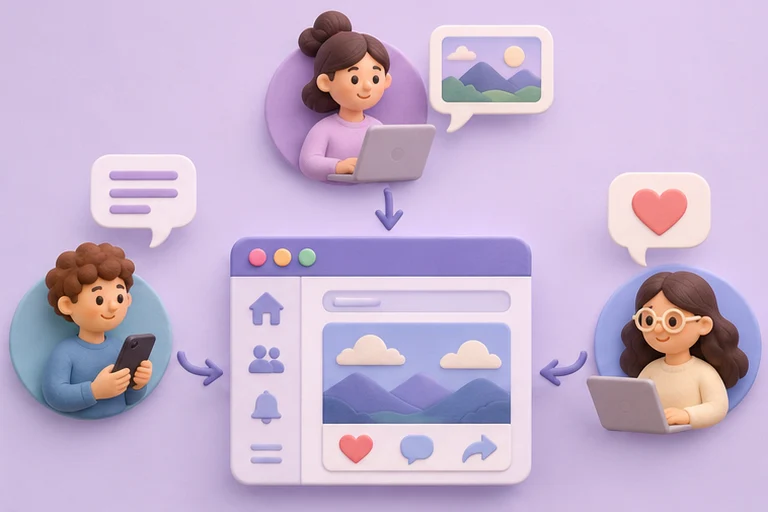
In the 2000s, blogs, wikis and social networks turned users into creators. Uploading a photo or leaving a comment became easy. Platforms set the rules for accounts, content feeds and data use.
WEB 3.0
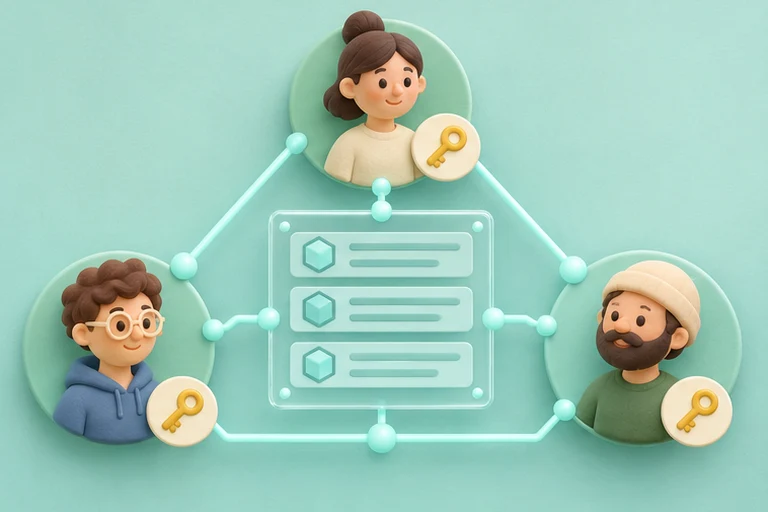
In blockchain-based Web3 applications, users can manage digital assets with their own wallets and verify transactions against network records. On public blockchains, anyone can view transactions. Users are responsible for protecting their wallet keys.
In a Web 3.0 app, you can manage a digital asset with your own wallet. When you send someone a digital collectible, for example, you sign the transaction with your wallet. The network verifies and records it, so you can check the transfer in the network’s records independently of the app.
A blockchain is a digital ledger that a network shares and verifies under common rules. Transactions are recorded in blocks. Each block carries a digital fingerprint of the previous one. Changing a past record changes its fingerprint, allowing the network to detect the discrepancy.